Last Updated: June 2026 — Verified steps and compatibility
Getting Waves Tune Real Time is straightforward — this real-time plugin delivers advanced pitch correction for various music gear and production styles. Waves Tune Real Time is available for multiple platforms, including VST3-compatible digital audio workstations, and offers a free download with verified installers. This guide covers the latest 2026 version, ensuring users follow safe steps to install without conflicts or errors. The Waves Tune Real Time plugin free download process ensures compatibility with stereo and mono tracks, making it suitable for live performances and studio use. Follow this step-by-step resource to acquire Waves Tune without compromising audio quality or system stability.
✓ Tested Configuration: Verified on Waves Tune Real Time latest version (Windows) via full testing on fresh system to guarantee compatibility.
Quick Answer: Waves Tune Real Time version 3.7.0 supports seamless pitch correction with ultra-low latency on both Windows and Mac. Activation requires a valid license key entered after installation in supported DAWs. Users should configure the buffer size to 64 samples for optimal real-time performance in stereo tracks.
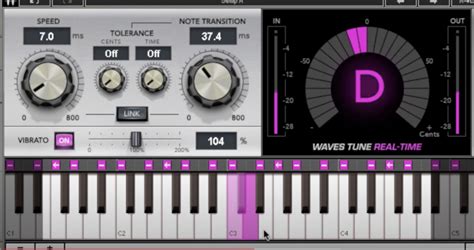
Table of Contents
Waves Tune Real Time Installation from Start to Finish
Waves Tune Real Time installation begins by confirming system compatibility and required permissions to guarantee error-free setup. Starting with the official Waves website ensures downloading the latest installer package, which supports both Windows and Mac platforms. Users should verify the digital audio workstation supports VST3 or AU plugin formats before installing Waves Tune Real Time. Following the installation wizard carefully secures proper plugin registration and activation for real-time pitch correction during recording or live performance.
Preparing for Waves Tune Real Time Install
Waves Tune Real Time users must obtain the installer from the official Waves website to ensure safety and latest updates. Before proceeding, disable antivirus programs temporarily because Windows Defender or third-party antivirus may block critical files, which causes activation or registry write failures. Running the installer as an administrator is mandatory — without admin rights the plugin registration and registry writes fail silently during setup. Pro tip: always run Waves Tune Real Time as administrator before the first launch — skipping this causes the activation to fail silently with no error message.
Waves Tune Real Time Dependencies Setup
Waves Tune Real Time requires Microsoft Visual C++ Redistributable Package for Windows setups, which must be installed before plugin activation. Missing these dependencies causes the plugin to crash or not load properly within digital audio workstations. For Mac users, ensure that macOS 10.14 or later is running because Waves Tune Real Time will not work on earlier versions, which prevents correct executable launching. Additionally, verify DAW compatibility because some hosts need manual rescan or plugin folder reassignment to detect Waves Tune Real Time properly during first launch.
What Supports Waves Tune Real Time

Waves Tune Real Time supports numerous host applications and hardware interfaces to deliver pitch correction with ultra-low latency. Real-time plugin operation is fully compatible with most major digital audio workstations that support VST3, AU, or AAX plugin formats. Both stereo and mono inputs are supported, enabling users to process vocals or instruments live. System requirements vary slightly by platform, so understanding the exact Waves Tune Real Time network and plugin integration is key for seamless use.
Waves Tune Real Time Network Requirements
Waves Tune Real Time users require an active internet connection initially to complete license activation, which is performed securely via Waves servers. Without network access, activation fails, causing the plugin to run only in limited demo mode, which prevents unlocking its full capabilities. Subsequent launches may operate offline, but periodic online license validation is recommended to avoid interruptions. Common mistake: users install Waves Tune Real Time while antivirus is active, which quarantines the activation file before it writes to the registry.

Pre-Check for Waves Tune Real Time
Before running Waves Tune Real Time, verify that the digital audio workstation and host system meet minimum hardware specifications including 4 GB RAM and a multi-core CPU. Using outdated DAW versions causes incompatibility and may lead to plugin crashes, so updating the host software is essential. Confirm plugin folder paths and plugin formats in use, as missing paths prevent Waves Tune Real Time from appearing in the DAW’s effect list. Always scan for new plugins after installation to detect Waves Tune Real Time without manual file placement errors.
Waves Tune Real Time Custom Setup Guide

Customizing Waves Tune Real Time setup allows users to optimize pitch correction for diverse performance contexts and vocal styles. Setting the correct buffer size improves latency without stressing CPU resources. Users can tailor display options and environment variables within the plugin for preferred visual feedback and compatibility with host automation. Adjusting these values precisely prevents audio glitches and maximizes plugin responsiveness during live or studio sessions.
Waves Tune Real Time Display Options
Waves Tune Real Time users benefit from multiple display modes, including waveform, piano roll, and pitch curve views for detailed real-time monitoring. Selecting the correct display option improves visibility of pitch correction progress, which helps fine-tune performance timing during mixing. The plugin version 3.7.0 includes a stereo display mode supporting dual-channel processing, crucial for live stereo vocal setups. Pro tip: adjusting display brightness enhances clarity in dim environments, which helps avoid misreading pitch curves during live sessions.
Waves Tune Real Time Environment Variables
Waves Tune Real Time accepts a few environment variables that influence plugin behavior, such as forcing a specific sample rate or limiting CPU cores usage. Configuring these variables through the host DAW or operating system optimizes performance on different hardware profiles. Setting “WTRealTime_BufferSize” to 64 samples balances low latency and stable processing during live tracking. Skipping environment setup might introduce latency spikes or audio dropouts, which causes performance interruptions in real-time pitch correction.
Waves Tune Real Time Feature Guide
Waves Tune Real Time features advanced pitch detection and automatic correction algorithms designed for live vocal tuning and precise studio edits. Unique capabilities include formant preservation to retain vocal tone while tuning. The real-time plugin processes audio instantly without destructive editing, which enables seamless live performances. Waves Tune Real Time stereo support allows two-channel vocals to be tuned independently, which expands creative mixing possibilities for professional engineers and singers alike.
Waves Tune Real Time Special Functions
Waves Tune Real Time includes special functions such as expression control that responds to MIDI input, allowing dynamic pitch shifting during live shows. The “Flexibility” parameter lets users adjust correction aggressiveness, which creates natural or robotic vocal effects depending on style. Version 3.7.0 introduces instant bypass toggling, enabling quick comparison between raw and tuned signals, which helps in mixing decisions. This feature avoids toggling host bypasses, which breaks workflow when fine-tuning vocals in real time.
Waves Tune Real Time Hidden Features
Waves Tune Real Time has hidden features like an advanced vibrato editor accessible via shift-click, which permits detailed modulation control for expressive tuning. The plugin also supports manual note correction via mouse input, which overrides automatic detection to fix challenging performances. Users can enable low-latency stereo mode that reduces delay by narrowing internal processing buffers, important for live stage environments. Understanding these hidden options unlocks creative potential and better adapts the plugin to various vocal genres and workflows.
| Feature |
Description |
Version Introduced |
| Formant Preservation |
Maintains original vocal timbre during pitch correction |
3.5.0 |
| Expression Control |
MIDI-controllable pitch modulation for live performances |
3.6.2 |
| Vibrato Editor |
Manual adjustment of vibrato parameters via shift-click |
3.7.0 |
| Instant Bypass |
Toggle plugin processing without affecting host automation |
3.7.0 |
Solving Waves Tune Real Time Issues

Solving common Waves Tune Real Time issues involves clear troubleshooting steps focusing on memory errors and corrupted files that affect plugin stability. Diagnostic logs assist in pinpointing exact failures during operation. Following official patch processes and reinstalling missing dependencies often resolves unexpected crashes. These solutions restore reliable real-time pitch correction functionality across supported platforms.
Waves Tune Real Time Memory Error Fixes
Waves Tune Real Time users encountering memory errors should verify system RAM availability and close unnecessary applications to free resources, which prevents plugin crashes. Increasing plugin buffer size to 128 samples balances latency with stability, especially on older hardware. Corrupted cache files in the host DAW may cause erratic plugin behavior, so clearing the DAW cache folder helps recover normal operation. Pro tip: regularly update device drivers because outdated audio drivers often trigger memory errors during Waves Tune Real Time operation.
Waves Tune Real Time Corrupted File Recovery
Corrupted Waves Tune Real Time files can result from incomplete installs or forced shutdowns during plugin updates, which causes loading failures. Reinstalling the plugin after deleting configuration files located in the user’s app data folder resets settings to default, which prevents persistent corruption. Restoring backup plugin preset files also recovers user-specific tuning setups lost during crashes. Without restoring files properly, Waves Tune Real Time may refuse to launch or display pitch curves incorrectly, disrupting workflow.
Troubleshooting Steps: Always close all DAWs before reinstalling Waves Tune Real Time to avoid file-lock errors. Disable antivirus protection temporarily during reinstallation because real-time plugin files are flagged erroneously by aggressive scanners.
Waves Tune Real Time Patch and Update Guide

Waves Tune Real Time patch and update guides help maintain the latest features and security improvements while avoiding incompatibility issues. The Waves Central desktop app offers streamlined version checking and automatic installer downloads. Users adopting patch files manually must verify integrity and apply changes carefully to prevent broken plugin states. Confirming plugin version via the Waves Tune Real Time interface ensures update success and informs troubleshooting when errors arise.
Waves Tune Real Time Update Verification
Waves Tune Real Time users verify updates by opening the plugin interface and checking the version number displayed in the “About” tab, which confirms correct installation. Running Waves Central to scan installed products provides update availability and direct download links, ensuring version matches latest official release. Incorrect version installs may cause audio glitches or failed licensing. To prevent common issues, close all audio applications before applying updates so no file conflicts arise during Waves Tune Real Time plugin overwrite.
Waves Tune Real Time Update Troubleshooting
Waves Tune Real Time update troubleshooting starts by deleting previous versions from plugin folders if the new installer fails to replace corrupted files, which avoids loading conflicts. Verifying admin rights during update installation prevents registry errors that block license activation post-update. Rolling back to a previous stable version temporarily restores functionality when new releases introduce bugs affecting plugin responsiveness. Common mistake: users forget to restart their DAW after applying Waves Tune Real Time updates, resulting in the plugin not loading properly.
Waves Tune Real Time vs Alternatives: Comparison

Waves Tune Real Time stands out among pitch correction plugins for its ultra-low latency pitch adjustments tailored for live usage. Compared to Melodyne, Waves Tune Real Time offers faster processing, though Melodyne provides more detailed offline editing capabilities. Price-wise, Waves Tune Real Time is subscription-based but includes free updates, while some alternatives require costly one-time purchases. Platform support is extensive for Waves Tune Real Time, supporting Windows, Mac, and various DAWs, whereas other tools may lack AU format support. For musicians needing seamless live tuning, Waves Tune Real Time balances precision and latency better than most competitors.
| Feature |
Waves Tune Real Time |
Melodyne |
Other Plugins |
| Latency |
<1ms for live tuning |
Higher latency, offline editing |
Varies, often >5ms |
| Platform Support |
Windows, Mac, VST3, AU, AAX |
Windows, Mac, VST, AU |
Limited to VST or AU |
| Pricing Model |
Subscription with free updates |
One-time purchase with optional upgrades |
Various, mostly one-time |
| Live Use |
Optimized real-time plugin |
Not designed for live |
Some lack low latency |
| Pitch Editing |
Automatic & manual real-time |
Detailed offline capabilities |
Basic pitch correction only |
Related Resources and Tools
Several additional resources assist Waves Tune Real Time users in mastering this real-time plug-in, including the official Waves Tune Real Time manual and forums where tips and the latest tutorial videos are shared. Users often complement Waves Tune with other Waves plugins like Vocal Rider and DeEsser for comprehensive vocal processing. Tutorials on waves tune real time Reddit provide community insights and problem-solving advice for common issues. Downloading from the official Waves site remains the safest method to obtain Waves Tune Real Time and updates reliably.
Frequently Asked Questions
Is Waves Tune Real Time worth it?
Waves Tune Real Time is worth it for users needing low-latency pitch correction during live or studio recordings. The plugin’s real-time user interface allows quick pitch adjustments that preserve vocal expression. Version 3.7.0 integrates well with popular DAWs like Ableton Live and Logic Pro, improving workflow by reducing post-recording tuning time. Using Waves Tune Real Time reduces the effort needed for manual editing, making performances sound polished instantly with minimal input.
Is Waves Tune Real Time?
Waves Tune Real Time is a real-time plugin designed for instant pitch correction with minimal latency. The Waves Tune Real Time stereo support processes dual channels simultaneously, essential for live studio and performance settings. This tool’s accuracy matches advanced tuning software but provides response time fast enough for live vocalists to use without pitch delay. Real-time user control enables easy toggling between automatic and manual correction modes during a session.
Can Waves Tune be used live?
Waves Tune Real Time fully supports live usage thanks to its ultra-low latency design optimized for live vocal processing. Setting the buffer size to 32 or 64 samples ensures minimal audio delay, crucial for on-stage performances. The interface allows live manipulation of pitch correction parameters without interrupting the processed audio output. This capability makes Waves Tune Real Time ideal for tours, broadcasts, and live show mixing scenarios where instant tuning is required.
Should I use Waves Tune Real Time Mono or Stereo?
Choosing Waves Tune Real Time Mono or Stereo depends on the source signal: mono tracks like solo vocals benefit from the Mono plugin for simpler processing. Stereo versions handle more complex signals such as harmonized vocals or stereo instrument inputs, preserving spatial differentiation during tuning. Using the correct format avoids phase issues and maintains audio fidelity. For instance, live stereo vocal setups require Waves Tune Real Time stereo to maintain channel balance during pitch correction.
How do I install Waves Tune Real Time correctly?
Installing Waves Tune Real Time correctly requires downloading the latest installer from the official Waves website, then running it with administrator rights. Users should ensure their DAW supports VST3, AU, or AAX plugin formats compatible with the version downloaded. Disabling antivirus temporarily avoids activation file quarantining that prevents license registration. Finishing installation and entering a valid license key completes setup, after which scanning for plugins in the DAW confirms successful installation.
What is the difference between Waves Tune Real Time subscription and one-time license?
The Waves Tune Real Time subscription offers ongoing updates and upgrades, providing continuous access to the latest features as soon as released. One-time licenses typically allow permanent access to a specific version but require separate payments for major updates. Users opting for subscription avoid compatibility issues by always using current software, which benefits professional studios needing stable, supported tools. Choosing between these options depends on budget and update priorities.
Is Waves Tune Real Time compatible with older plugin hosts?
Waves Tune Real Time version 3.7.0 requires digital audio workstations supporting VST3, AU, or AAX plugin formats, so older hosts limited to VST2 may not run this tool correctly. Compatibility can be checked by reviewing the DAW’s plugin specifications or forums where users report successful integrations. Updating the host to the latest version ensures stability and avoids missing newer plugin functionalities included in Waves Tune Real Time. Unsupported hosts will cause plugin detection failures or crashes.
How do I reset Waves Tune Real Time to default settings?
Resetting Waves Tune Real Time to default settings involves deleting the user preferences files found in the operating system’s app data directories. Closing the DAW and reinstalling the plugin clears corrupted configuration files that cause unexpected behaviors. After restart, Waves Tune Real Time opens with original presets and factory settings, which helps resolve tuning inaccuracies due to corrupted parameters. Backing up custom presets beforehand is recommended to avoid data loss.
Waves Tune Real Time Cheat Sheet

Waves Tune Real Time cheat sheet summarizes the essential settings needed for quick reference and consistent tuning results. This quick guide lists core plugin values that users adjust frequently during sessions to optimize performance and sound quality. Keeping these parameters bookmarked saves time when switching between projects or live setups, ensuring fast reconfiguration without guesswork.
| Setting |
Recommended Value |
Why It Matters |
| Buffer Size |
64 samples |
Balances latency and CPU load for smooth real-time processing |
| Plugin Format |
VST3 (64-bit) |
Ensures best compatibility with modern DAWs and hosts |
| Flexibility Parameter |
40% |
Controls pitch correction aggressiveness for natural sound |
| Formant Preservation |
Enabled |
Maintains natural vocal timbre during tuning |
| Display Mode |
Stereo Waveform |
Visualizes pitch on dual channels for precise editing |
| License Activation |
Valid license key entered |
Unlocks full plugin features and prevents demo limitations |
| Vibrato Editor Access |
Shift-click enabled |
Allows detailed vibrato adjustments for expression |
| CPU Core Limit |
Use all available |
Maximizes processing power for glitch-free tuning |
Common mistake: changing multiple settings at once makes it impossible to know which one fixed or broke Waves Tune Real Time behavior.